Skip to content Skip to footer

Understanding quality, size and market value

Kenyan coffee grades are a structured system designed to help buyers understand bean size, density, and overall physical quality before purchase. While grading does not replace cupping, it plays a critical role in setting expectations around aroma potential, flavour concentration, and market positioning.

At origin, green coffee is separated into distinct grades after milling, based primarily on screen size and bean shape. These grades, combined with cup quality and traceability, allow importers and roasters to select coffees that best suit their roasting styles, flavour goals, and target markets.

Our Green Coffee Categories

1. Specialty Coffee/ Premium Coffee

KCCE exports specialty Kenyan Arabica coffee, often referred to as premium coffee, known for its vibrant acidity, layered flavour profiles, and consistent cup quality. These coffees are carefully prepared, cupped, and classified under recognized Kenyan grades such as AA, AB and PB . They are typically fully traceable to the cooperative, factory, or wet mill level, making them highly sought after by buyers seeking distinctive origin character and reliable quality from Kenya.

2. Commercial Coffee/ Commodity Coffee

Commodity grades represent the more price-sensitive segment of the market. These coffees are still produced within Kenya’s regulated system but are typically used for blends or applications where cost stability is a priority.

Kenya Coffee Grades Explained

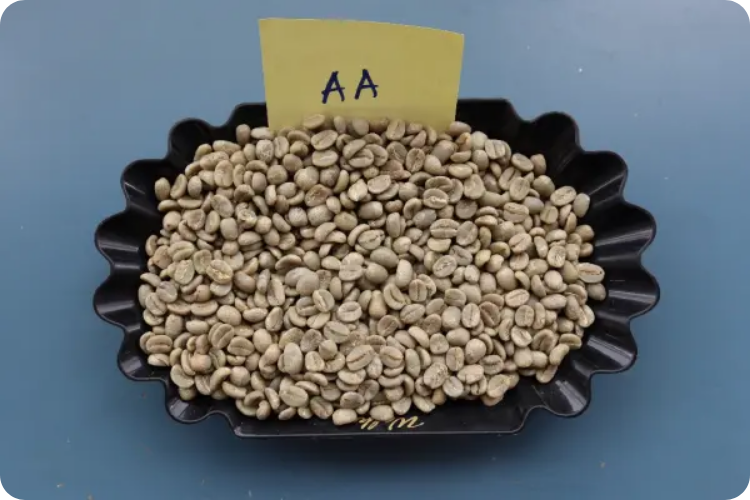
AA Grade

Kenya AA is a grade, not a flavour profile.

  • Screen size: 7.2 millimetres (approximately 18/64 of an inch)

  • Often referred to as Screen 18

  • Known for larger, denser beans

Larger beans are valued because they tend to develop more aroma and flavour compounds during roasting, all other factors remaining equal. Due to this attributes & consistent demand, AA coffee often command higher prices in international markets.

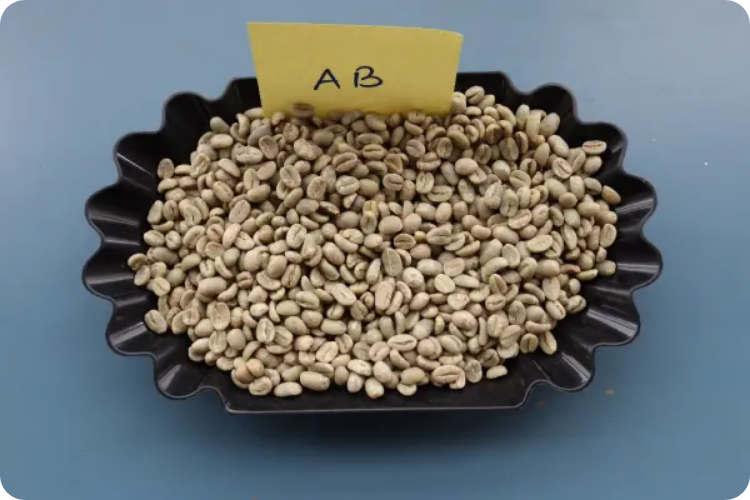
AB Grade

AB beans are slightly smaller than AA.

  • Screen size: 6.8 millimetres (approximately 17/64 of an inch)

  • Represents around 30% of Kenyan coffee production

AB coffees can offer excellent cup quality and are frequently preferred by roasters seeking balance between performance, availability, and price.

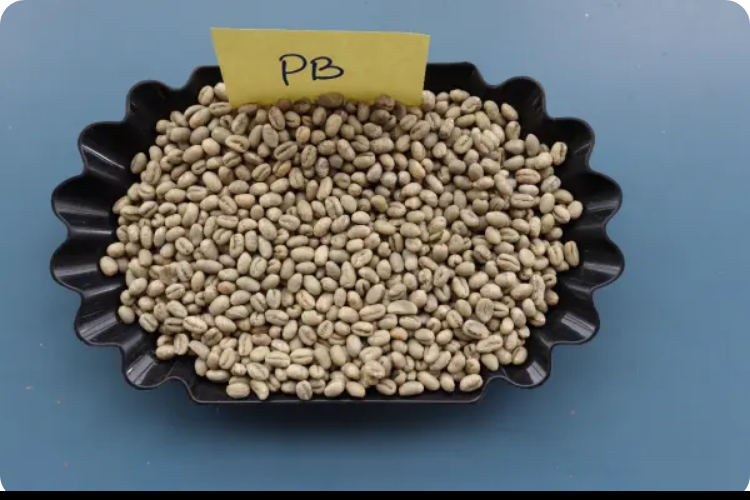
PB Grade (Peaberry)

Peaberry beans occur when a coffee cherry develops a single rounded seed instead of two flat-sided beans.

  • Approximately 10% of Kenyan coffee falls into this category

PB coffees are often associated with concentrated flavours and a distinctive roasting behaviour, making them attractive for single-origin offerings or limited releases.

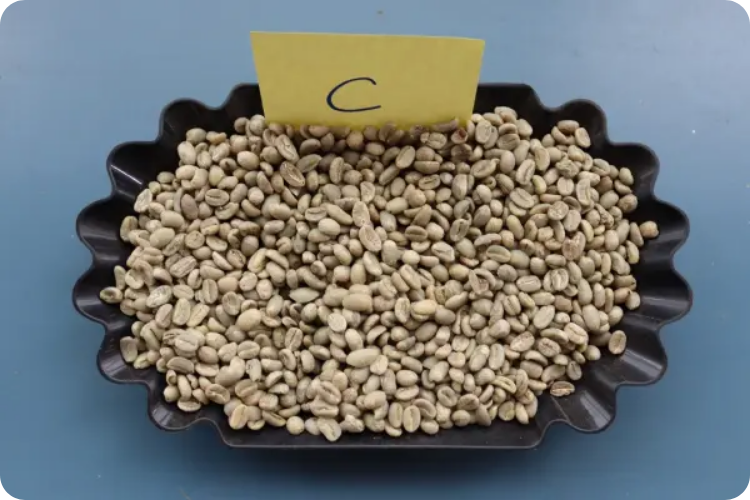
C Grade

C grade beans are smaller than AB.

  • Screen sizes 14 and 15

These coffees are commonly used in blends or price-sensitive applications, depending on cup quality.

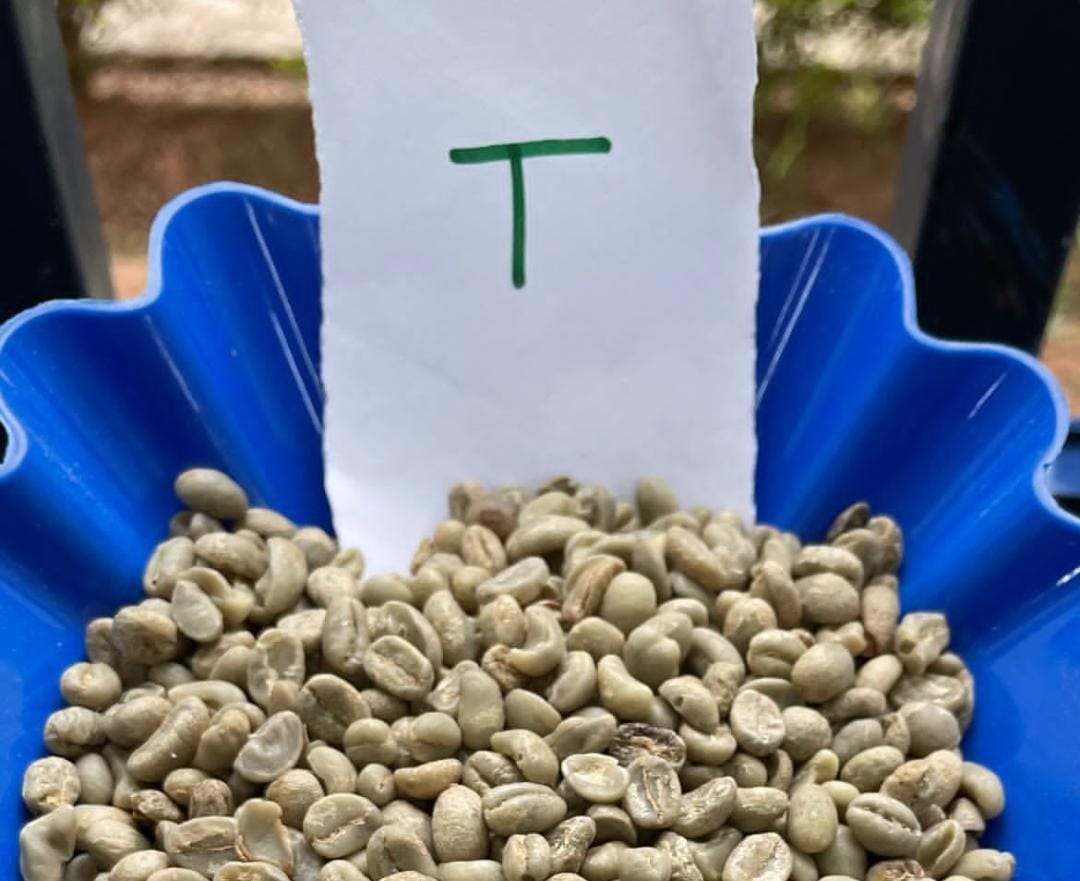
T Grade

T grade represents the smallest beans, many of which are broken.

  • Primarily used for commodity markets

  • Rarely selected for single-origin or specialty applications

Beyond Size:

Origin and Taste Profile

While grading focuses on physical characteristics, Kenyan coffees are further differentiated by cup profile, shaped by:

  • Altitude

  • Soil composition

  • Climate and rainfall patterns

  • Farming and processing workmanship


Much like wine, these geographical and human factors influence acidity, sweetness, mouthfeel, and overall balance.

Taste Before You Commit

Interested in quality coffee? Get in touch!

Evaluate our Kenyan coffees firsthand through carefully prepared export samples. Each sample is cupped, documented, and linked to a specific lot, allowing you to assess quality, consistency, and suitability for your roasting profile with confidence.