
Kenyan coffee is respected worldwide for its clarity, structure, and distinctive flavor profile. What many buyers and consumers do not always see, however, is the carefully coordinated system behind every exported lot. From thousands of smallholder farmers to cooperatives, wet mills, dry mills, and export warehouses, Kenyan coffee moves through a regulated and methodical chain designed to protect quality, transparency, and traceability.
This article walks through how coffee in Kenya moves from a cooperative setting all the way to export, highlighting the people, processes, and controls that ensure buyers receive coffee that meets international standards.
Coffee Farming at the Cooperative Level
In Kenya, the majority of coffee is produced by smallholder farmers who are members of registered cooperatives. These farmers typically own small plots of land, often less than a few acres, where coffee is grown alongside food crops. Cooperative membership allows farmers to pool resources, access agronomic support, and process their coffee through shared infrastructure.
At this stage, quality begins in the field. Farmers are trained to harvest only ripe cherries, avoid contamination, and deliver coffee promptly. Cooperative field officers often provide guidance on pruning, fertilization, pest control, and harvesting practices to ensure consistency across members. While individual farms may vary in size and output, the cooperative system creates a unified approach to quality and accountability.
Wet Milling and Primary Processing
Once harvested, coffee cherries are delivered to a cooperative wet mill, sometimes referred to as a factory. Timing is critical. Fresh cherries are pulped within hours of delivery to prevent fermentation defects and preserve the coffee’s inherent characteristics.
The wet milling process typically includes:
- Pulping, where the outer skin of the cherry is removed
- Fermentation, which breaks down remaining mucilage
- Washing, to clean the beans thoroughly
- Drying, often on raised tables to allow even airflow
Each step is closely monitored. Clean water usage, fermentation times, and drying conditions are carefully controlled to maintain consistency. Cooperative records track daily deliveries, farmer contributions, and processing details, forming the foundation for traceability later in the export chain.
Dry Milling and Grading
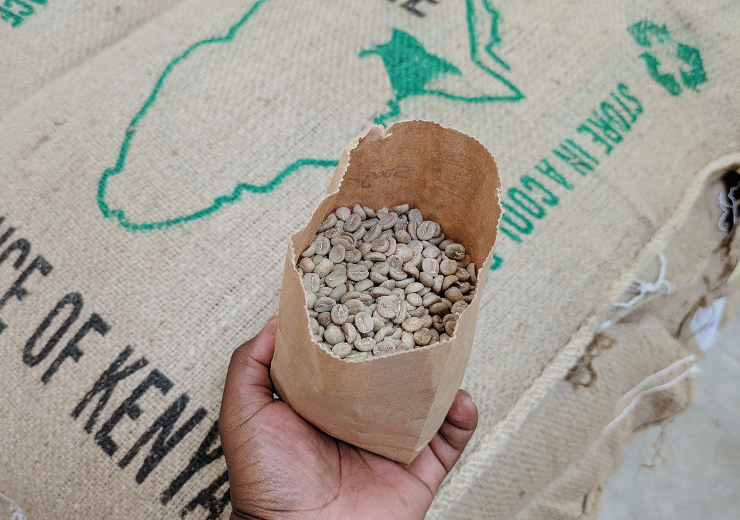
After drying, coffee is delivered to a licensed dry mill for secondary processing. Here, the parchment layer is removed, and the green coffee is sorted and graded. Kenya’s grading system is well known and is based on bean size, density, and physical quality.
During dry milling, coffee undergoes:
- Hulling and polishing
- Density and size separation
- Hand or optical sorting to remove defects
This stage is critical for export readiness. It ensures uniformity within lots and allows buyers to select coffee that meets their specific requirements. Proper documentation links each lot back to its cooperative and processing records, preserving traceability throughout the system.
Export Preparation and Shipment
Once approved, coffee is prepared for export. This includes proper bagging, labeling, and storage in clean, dry warehouses that protect the coffee from moisture, pests, and contamination. Export documentation is finalized, including certificates of origin, quality reports, and shipping details.
Licensed exporters coordinate logistics, ensuring coffee is loaded, sealed, and shipped under conditions that preserve quality during transit. Throughout this stage, clear communication between exporters and buyers helps manage expectations on delivery timelines, lot specifications, and documentation.
Why This System Matters to Buyers
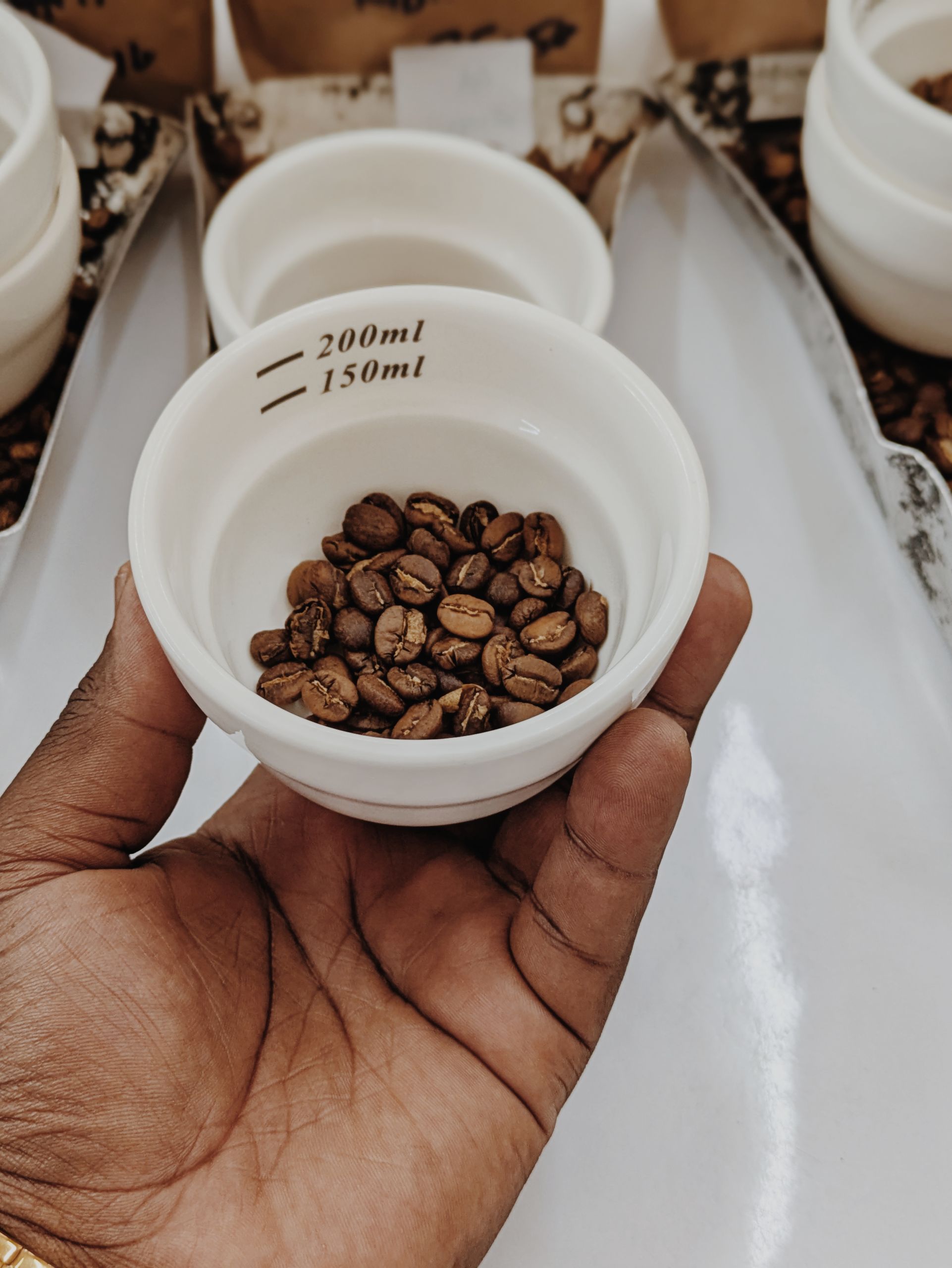
The Kenyan coffee export chain is designed to reduce risk and increase transparency. Cooperative structures allow traceability back to farming communities. Regulated processing stages ensure consistency and accountability. Quality control protocols provide objective evaluation before coffee leaves the country.
For importers and roasters, this means:
- Clear origin and processing records
- Consistent quality across shipments
- Confidence in handling and storage standards
- Reliable documentation and communication
From Cooperative to Cup
Kenyan coffee does not arrive on the global market by chance. It moves through a disciplined, cooperative-driven system that balances smallholder participation with strict quality oversight. From careful harvesting at the farm level to detailed grading and export preparation, each step exists to protect the coffee and the buyer’s trust.
Understanding this journey helps buyers appreciate not only the cup profile, but also the structure and care behind every shipment of Kenyan coffee.