Overview
Othaya Farmers Co‑operative Society Limited
Region
Nyeri County, Central Kenya
Associated Wet Mills:
17+ member wet mills/factories across the cooperative network
Primary Production Area:
Othaya Town and surrounding highland zones
Farmer Structure:
Smallholder farmer-owned and operated
Situated on the highlands of Central Kenya, Othaya Farmers Co-operative Society Limited is one of Kenya’s largest fully farmer-owned coffee cooperatives, producing world-renowned Kenyan Arabica.
The society plays a central role in organising farm production, wet mill operations, and quality control systems that support traceability and consistent lot identity from farm to export.
Farmer Membership & Land Structure
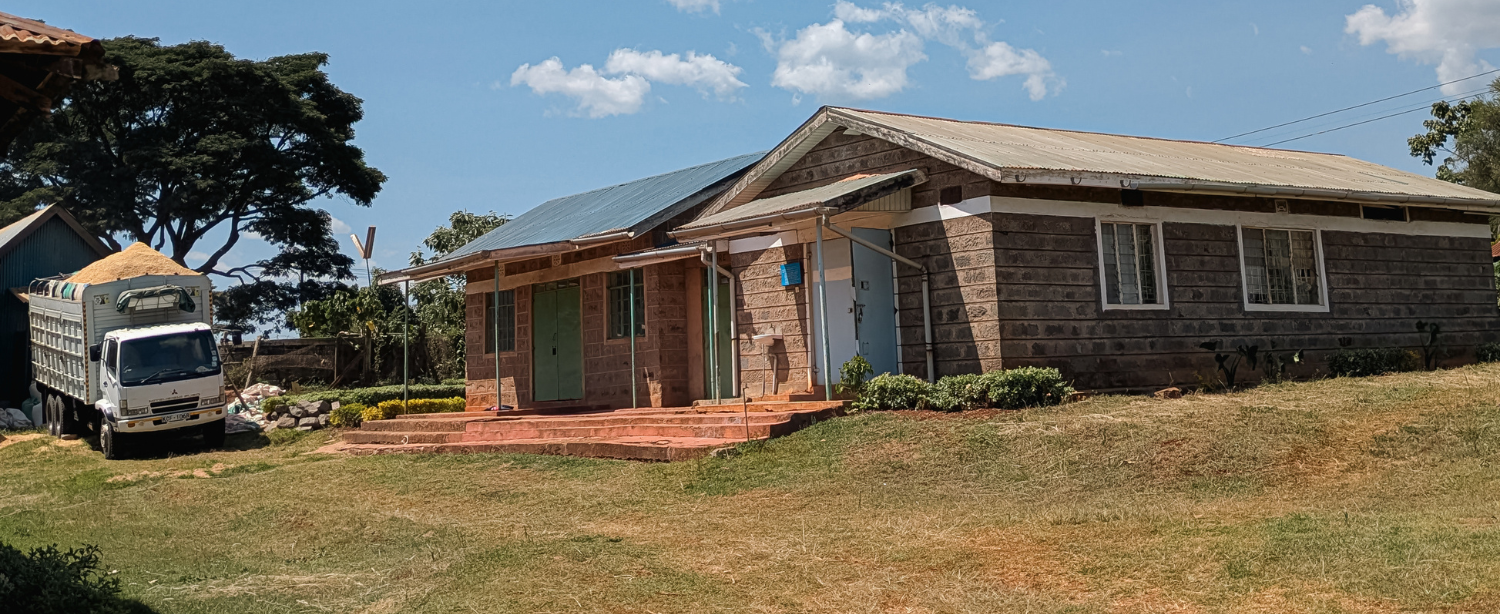
Othaya’s membership comprises thousands of smallholder coffee farmers who collectively manage a diverse and active production base.
Total membership: Approximately 11,000–15,000 smallholder farmers across the region.
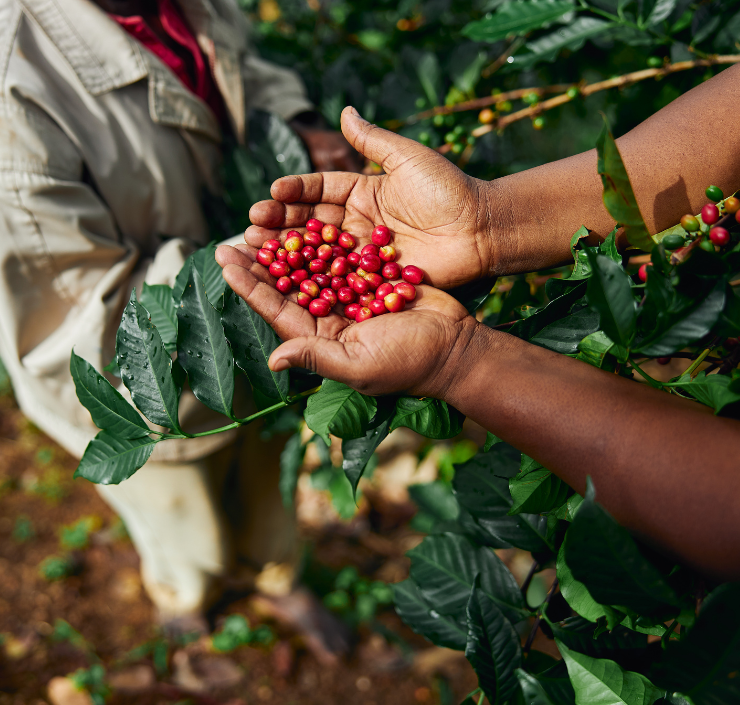
Farm size: Most farmers operate small plots, typically less than one hectare, allowing hands-on management of coffee trees and careful cherry selection at harvest.
Land ownership: Farms are predominantly family-owned and managed, often passed through generations. This long-term land stewardship supports continuity and quality in production.
Farming context: Coffee is the primary cash crop, alongside subsistence crops and other livelihood activities that support household food security and income diversity.
Coffee Varieties & Agronomy
Othaya farmers grow classic Kenyan coffee varietals selected for altitude and flavor complexity:
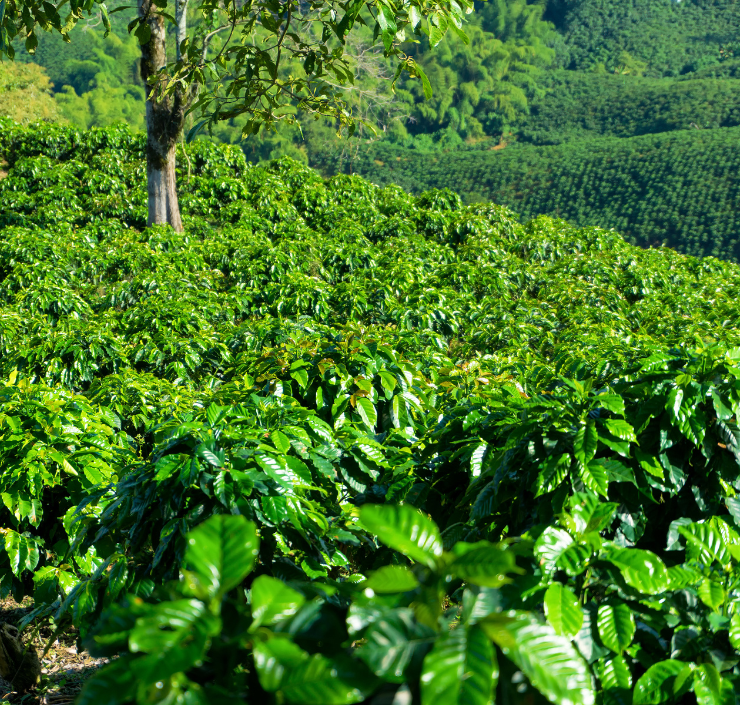
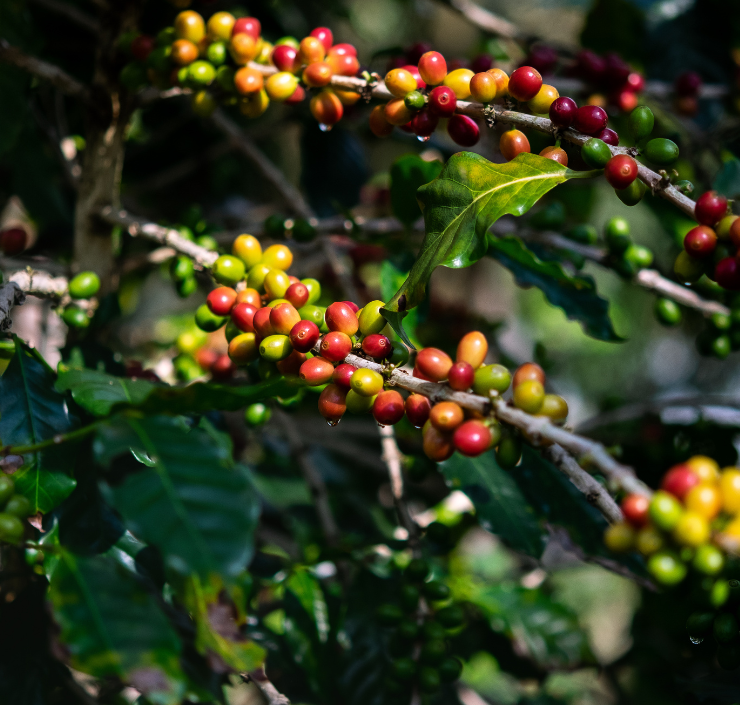
Common varietals: SL28, SL34, Ruiru 11, Batian — suited to the high altitude and cool climate of the Nyeri highlands.
Altitude range: Around 1,700–1,900 meters above sea level, where coffee cherries mature slowly, enhancing cup density and acidity.
Agronomic practices: Cooperative-supported nurseries and farm inputs help members access seedlings and adopt best practices for soil health, spacing and shade management.
These conditions combine to produce coffee with bright acidity, balanced body, and distinct regional character.
Cooperative Structure & Services
Othaya is structured around a network of 17+ wet mills (“factories”), each serving defined groups of farmers who deliver cherry during the harvest season.
The society provides a range of support services for members:
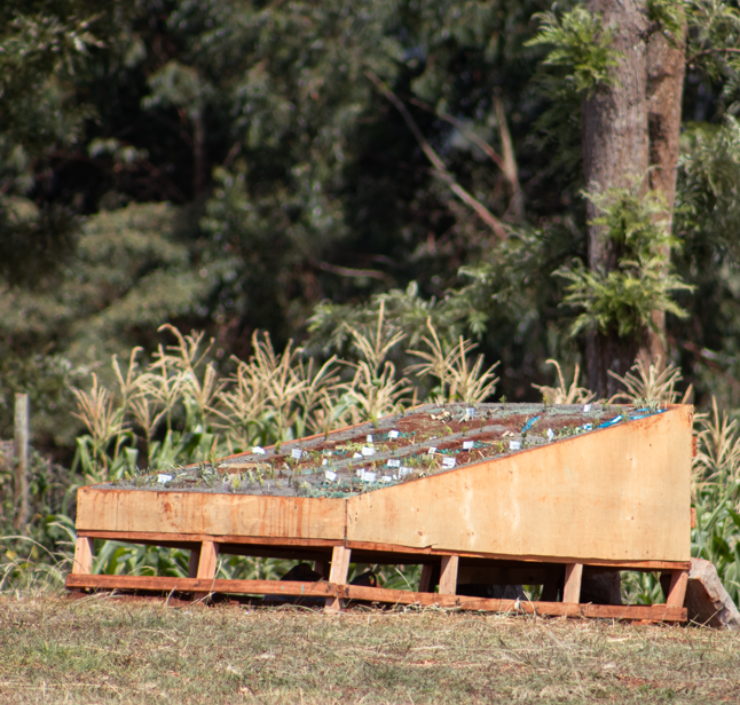
Nurseries & inputs: Coffee nurseries supply seedlings and essential farm inputs across member locations.
Training & extension: Regular workshops and field schools help farmers adopt better practices in harvesting, sorting, and farm management.
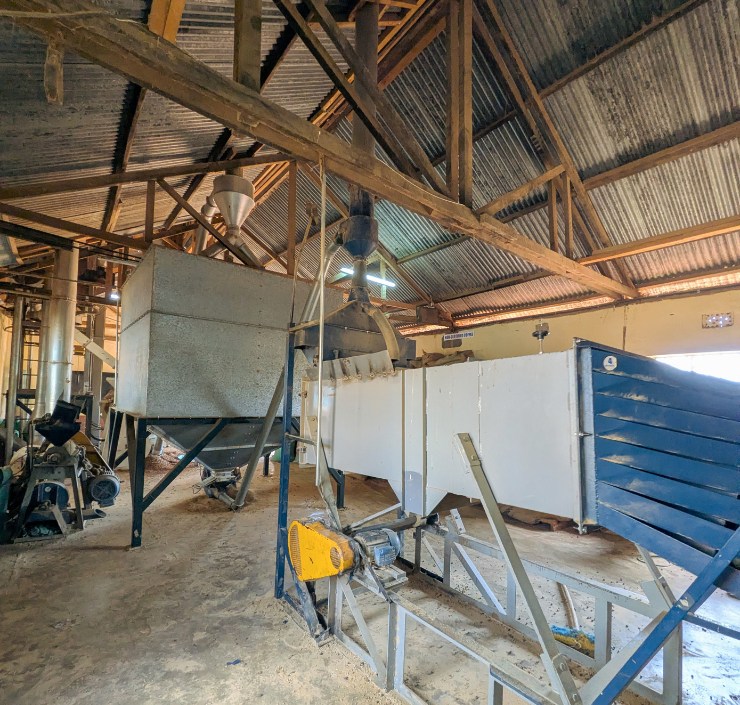
Dry mill: A central dry mill supports grading, sorting, and preparation of green coffee for export, adding value and consistent quality control before external sales.
Fairtrade certification: The society is Fairtrade certified, which supports access to global markets and ethical trading relationships.
Seasonal Farming Calendar
Coffee production in the Othaya region follows a clear seasonal pattern:
Main harvest: Typically runs from October through early December.
Fly crop: Occurs around May–July in some zones.
These defined harvest windows allow cooperative management and wet mills to plan cherry intake and processing efficiently.

Processing & Quality Control
Othaya’s member factories, including well-known mills like Gatuyaini, Gatugi, Kamoini and others, process cherry under controlled conditions:
Cherry delivery: Farmers deliver ripe coffee cherry daily during harvest, enabling immediate processing and reducing quality loss.
Wet processing: Wet mills process cherries into parchment coffee using standard Kenyan washed methods, with careful fermentation, washing and drying on raised beds.
Quality systems: Many factories undertake sample roasting and cupping, with centralized grading at the dry mill so that lots are clearly identified by quality, screen size and profile before export.
This structured approach enables traceability from farmer delivery through to export documentation.
Environmental & Social Considerations
The cooperative emphasises responsible production and community value:
Encourages sustainable farming practices and responsible use of natural resources.
Engages in community outreach, including support for local infrastructure, health screenings and social welfare programmes.
Adheres to ethical labour standards on farms and at wet mills.
Common Questions
Have inquiries? Get in touch!
We are here to assist you with any questions or concerns you may have. Feel free to reach out to us anytime.