Skip to content Skip to footer
QUALITY ASSURANCE

How Quality Is Evaluated, Documented, and Verified

In the Kenyan coffee export system, quality is not assumed; it is measured, discussed, and recorded. Cupping and certification sit at the centre of this discipline. Our cupping lab exists to ensure that every coffee we export is evaluated objectively, aligned with buyer expectations, and supported by verifiable standards that connect farm-level practices to the final export lot.

Cupping

The Cupping Lab

Our cupping lab is a working quality-control environment used throughout the export cycle, not a showcase space.

What the Lab is used for

1. Evaluating coffees from cooperatives, factories, and wet mills before export.
2. Separating and confirming export lots based on cup profile and quality.
3. Preparing and assessing pre-shipment and buyer samples.

When cupping takes place

1. During pre-export quality assessment.
2. When confirming lot separation and consistency
3. When preparing samples for importers and roasters.

How results are used

Cupping results are recorded, discussed internally, and used to guide export decisions. Scores and tasting notes help determine lot composition, identify quality risks early, and ensure that what is shipped reflects what was sampled and approved.
Our Cupping Process

Our cupping process follows internationally recognized industry standards and emphasizes repeatability and clarity.

1. Sample preparation

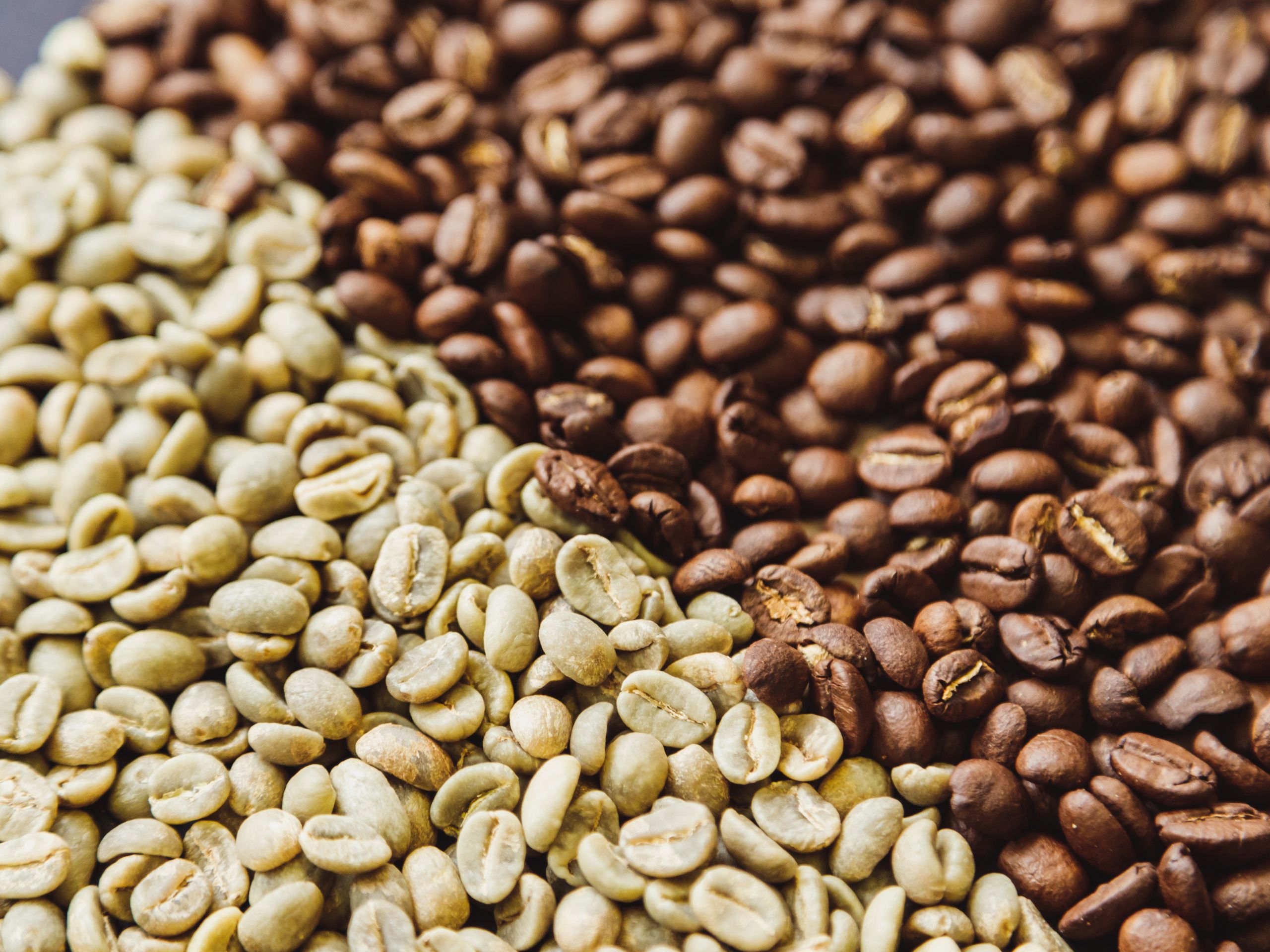
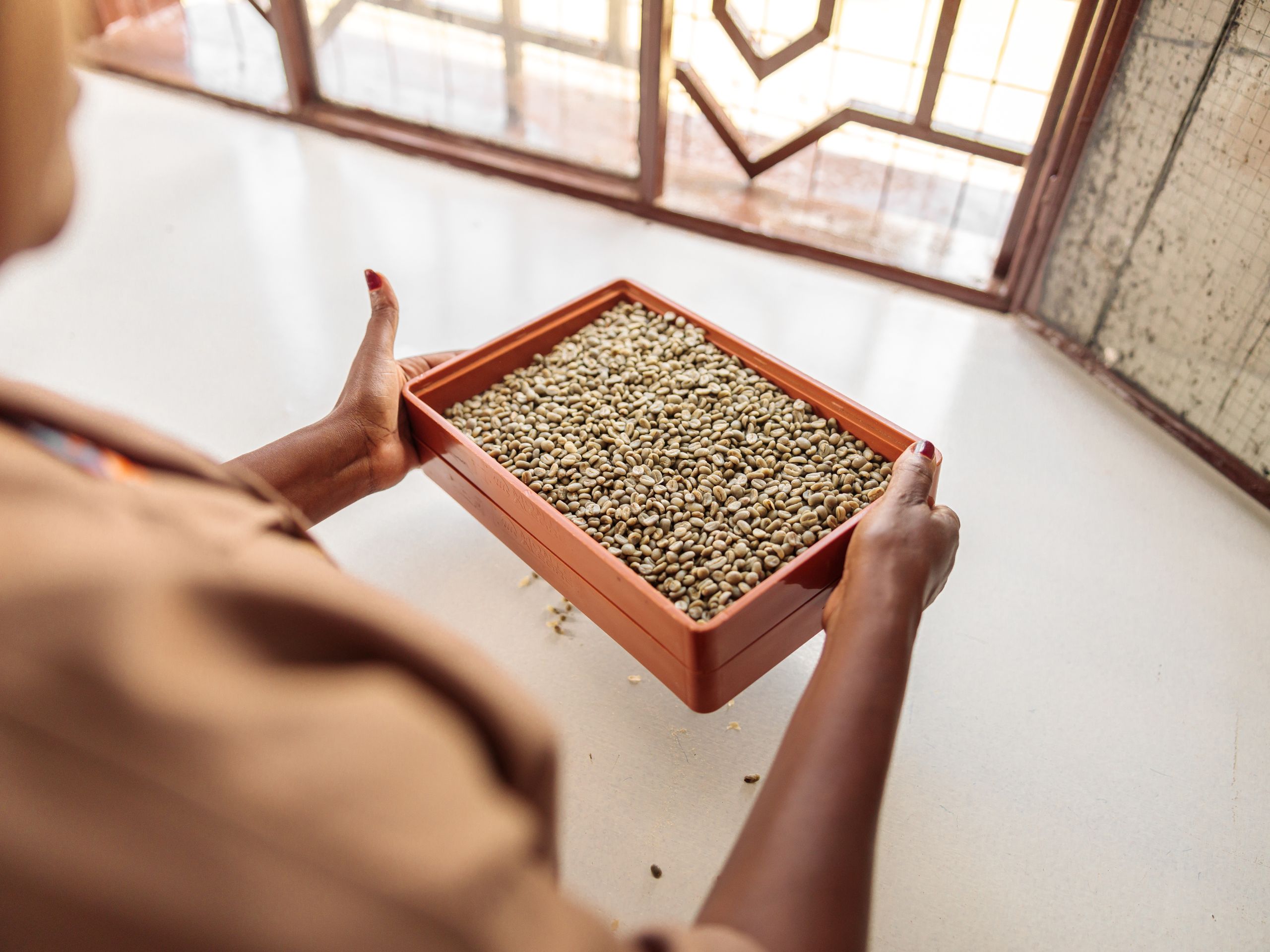
Green coffee samples are carefully selected from identified lots and prepared under controlled conditions to ensure they represent the full parcel.

2. Roasting consistency

Samples are roasted to a consistent, light profile designed to reveal origin character rather than roast influence. Roast timing and development are kept uniform across sessions.

3. Fragrance and aroma evaluation

Dry fragrance and wet aroma are assessed to identify freshness, cleanliness, and initial sensory indicators of quality.

4. Flavor, acidity, body, balance, and aftertaste

Coffees are evaluated across multiple sensory attributes, with attention to clarity, structure, and how the components interact rather than any single standout note.

5. Scoring and documentation

Each coffee is scored and accompanied by written tasting notes. These records form part of the quality documentation attached to each export lot.
Quality Control

Quality Control & Buyer Alignment

  • Cupping plays a critical role in reducing uncertainty for buyers.
  • Seasonal consistency: Regular evaluation helps track quality changes across harvests and mitigate variability.

  • Lot alignment: Coffees are grouped and separated based on cup profile, ensuring buyers receive lots that match their preferences.

    This process allows importers and roasters to make informed purchasing decisions with confidence.

    Risk reduction: Clear documentation and pre-export evaluation reduce the risk of surprises upon arrival.